From the Classroom to the Frontiers of Science: A Visit to CERN
Only the very 'dis-CERN-ing get invited!
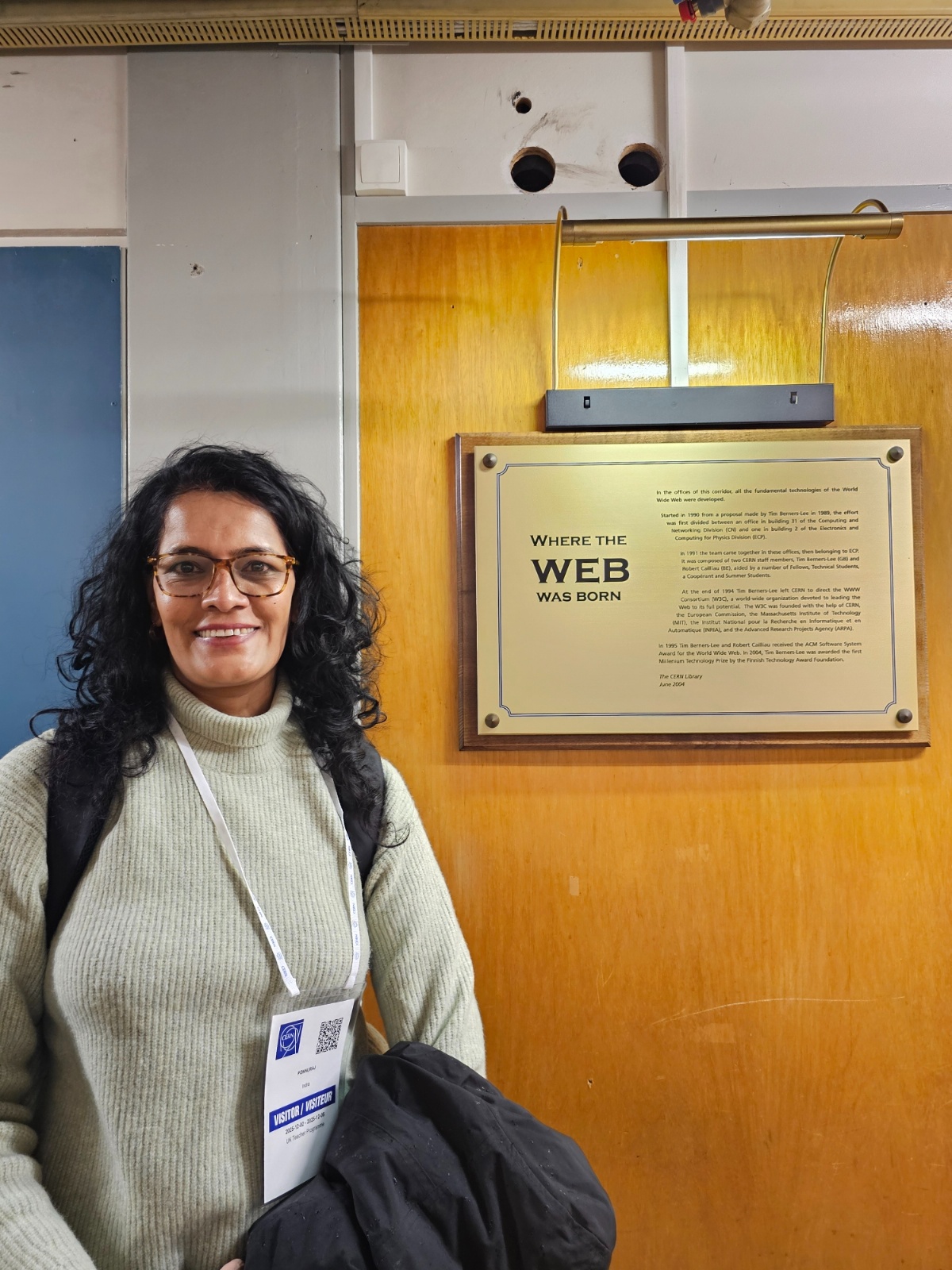
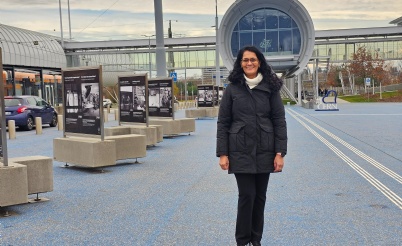
We are extremely proud to share that Barnhill’s Curriculum Leader of Science Ms Indra Ponnraj was one of 29 teachers across the United Kingdom to be selected to visit CERN in Switzerland in December. This is a privilege for both Barnhill and Ms Ponnraj and is testament to her commitment and passion for research in Physics to help us improve the world.
CERN is an in international organisation established for the purpose of collaborative research into high-energy particles, using the world’s largest and most complex instruments.
Ms Ponnuraj shared details of her experience below:
As part of a professional development visit explicitly designed for UK physics teachers, I had the opportunity to visit CERN, the world’s leading centre for particle physics research. The purpose of the trip was not only to explore groundbreaking scientific discoveries but also to understand how real-world research can be translated into meaningful learning experiences for students.
Day One: At the Heart of Discovery
Our visit began on Tuesday with an introductory tour of the CERN site, where scientists from across the globe collaborate to answer some of the universe's most fundamental questions. One of the most memorable moments was visiting the conference room where the Higgs boson discovery was announced in 2012. Standing in the same room where such a historic moment in science took place was a powerful reminder that breakthroughs are built on years of careful experimentation, collaboration and perseverance.
Throughout the day, the focus was on connecting abstract concepts taught in school physics, such as particles, energy and forces, to real experiments and fundamental discoveries, reinforcing the idea that science is a living and evolving discipline.
Day Two: From Theory to Technology
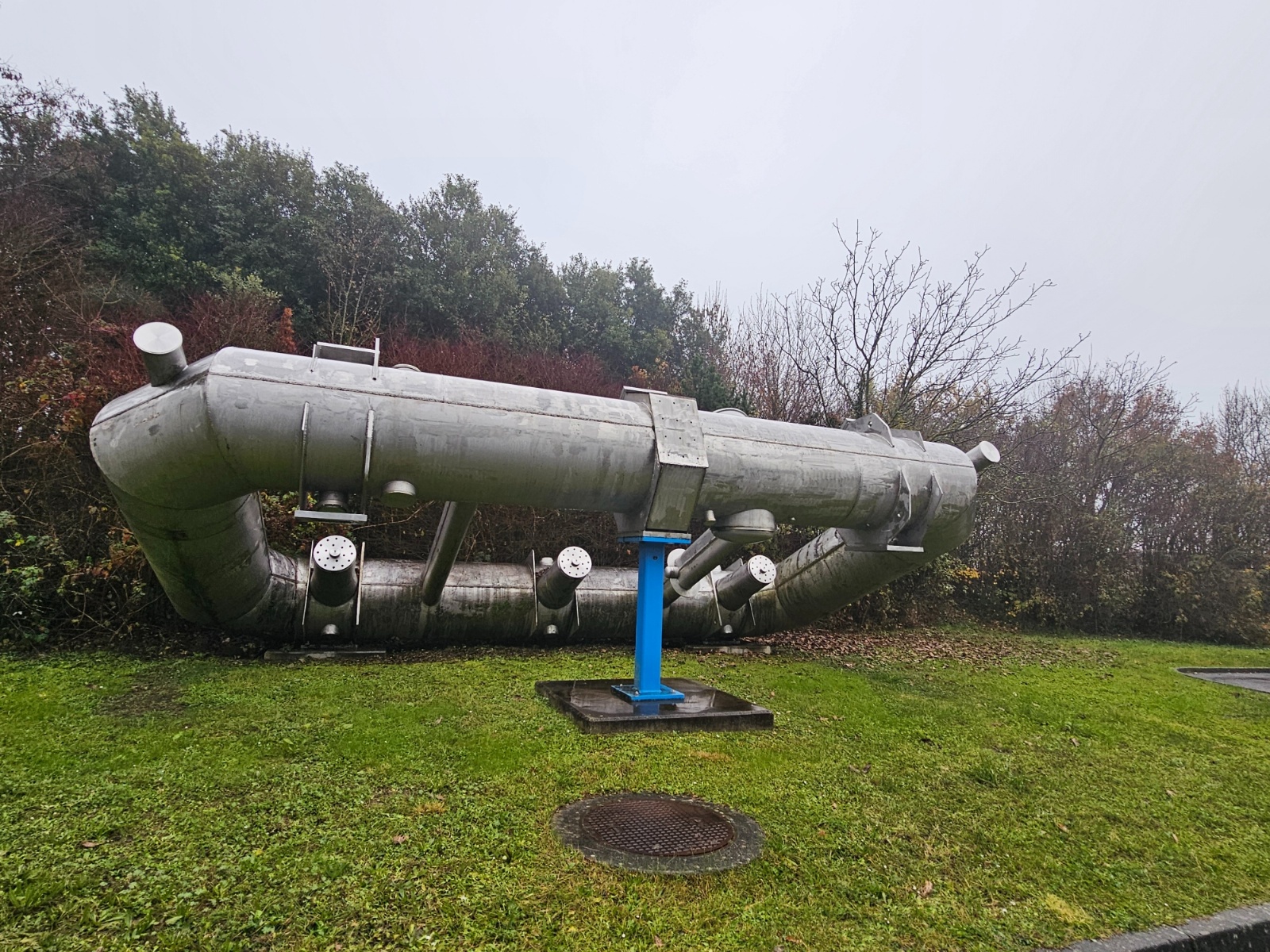
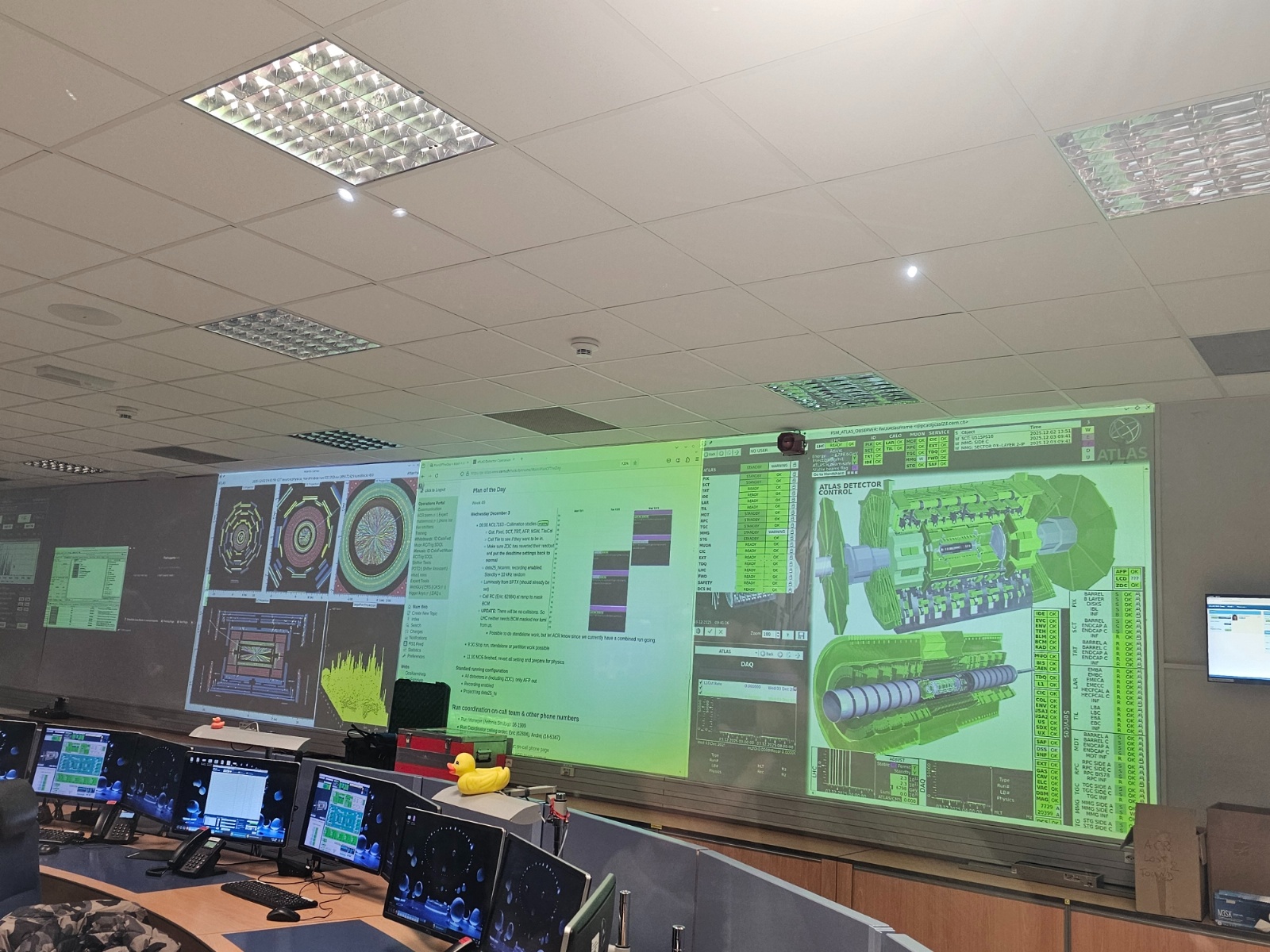
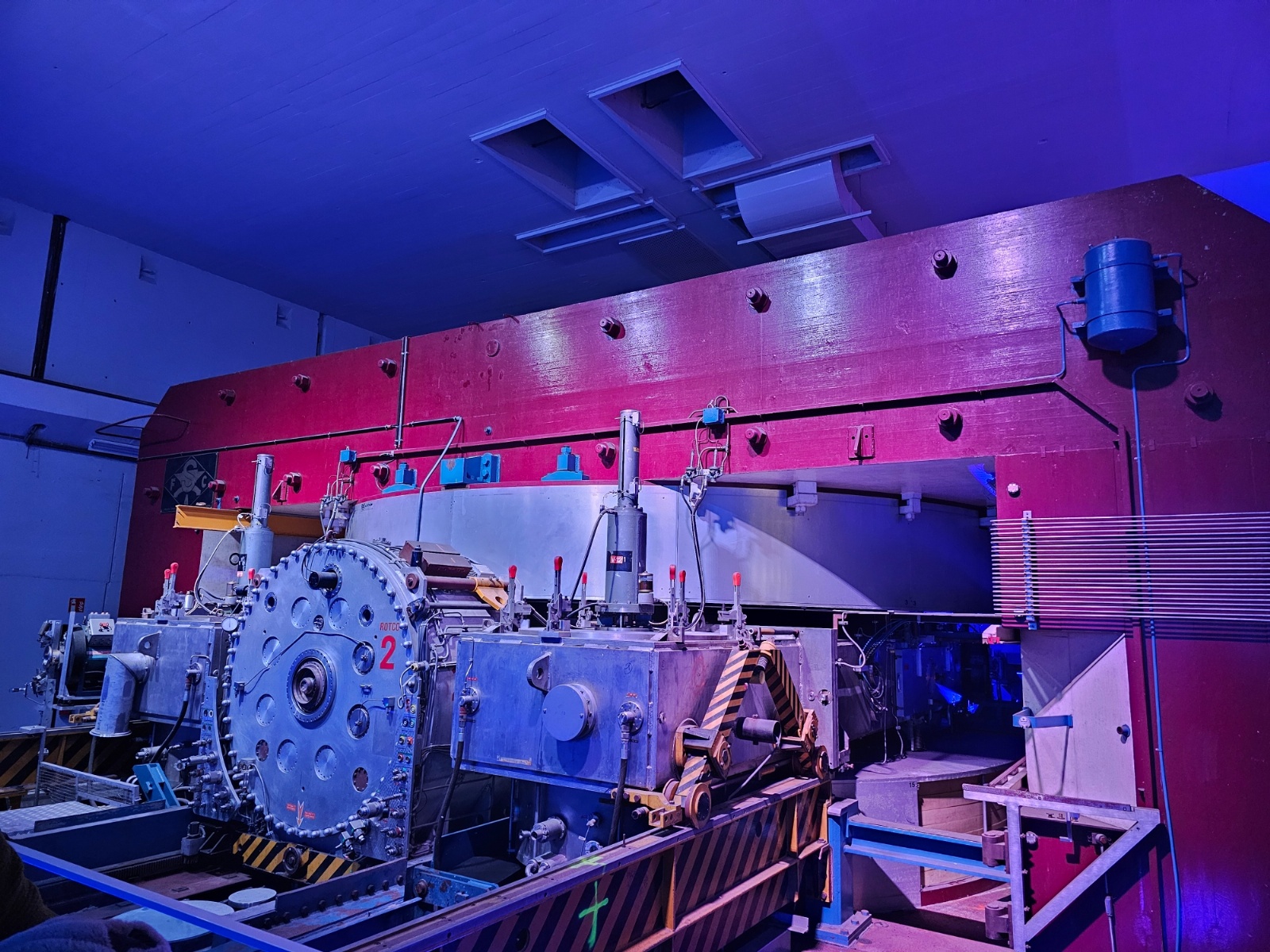
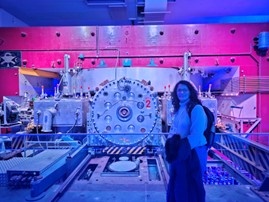
The day began with visits to the Synchrocyclotron and the ATLAS control room, offering an early insight into how particle beams accelerate and how extensive experiments are monitored in real time. This was followed by a particle physics lecture by Claire Lee, which provided a clear, accessible introduction to particle accelerators and their role in modern physics, with a strong focus on classroom applications.
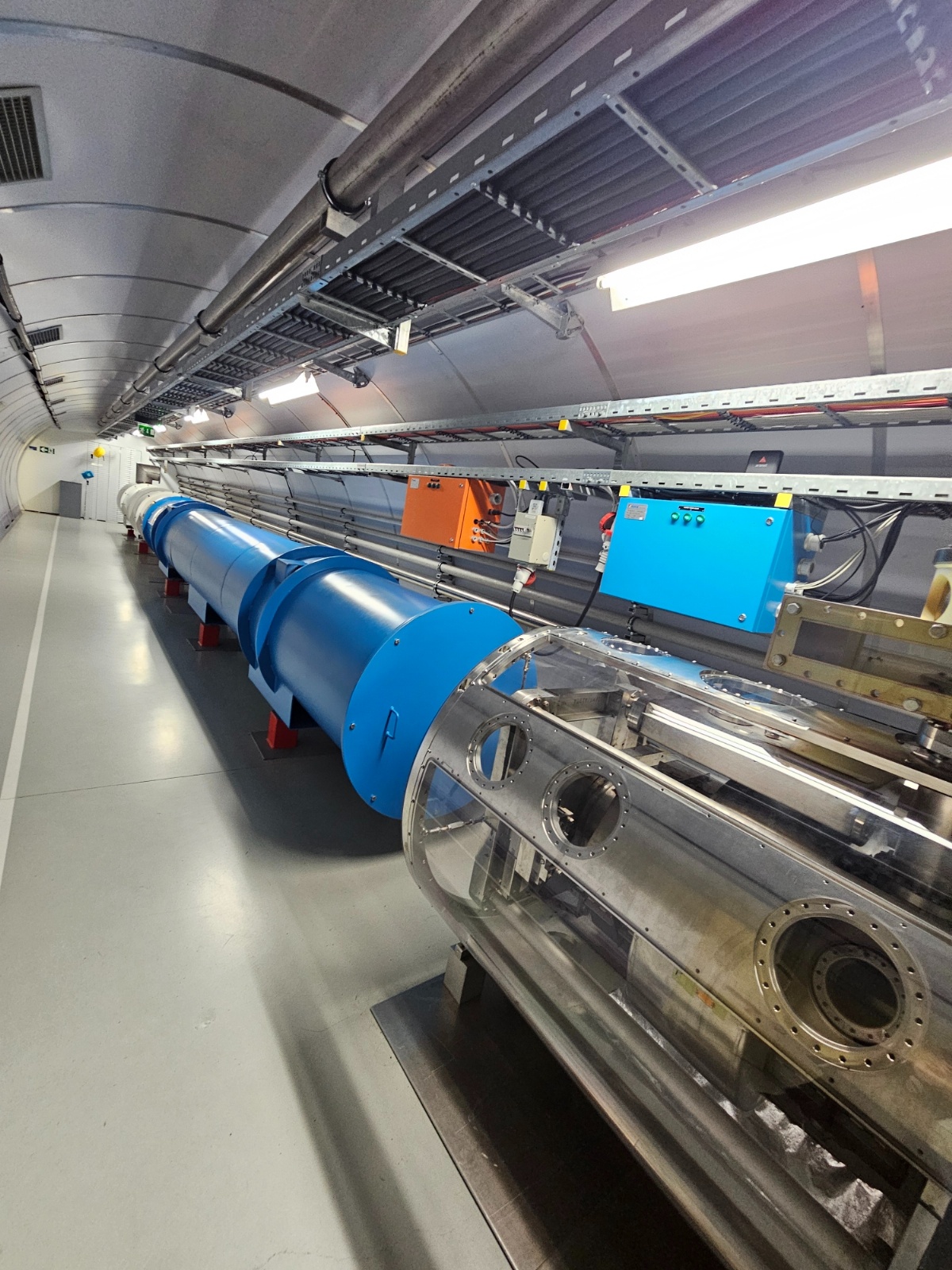
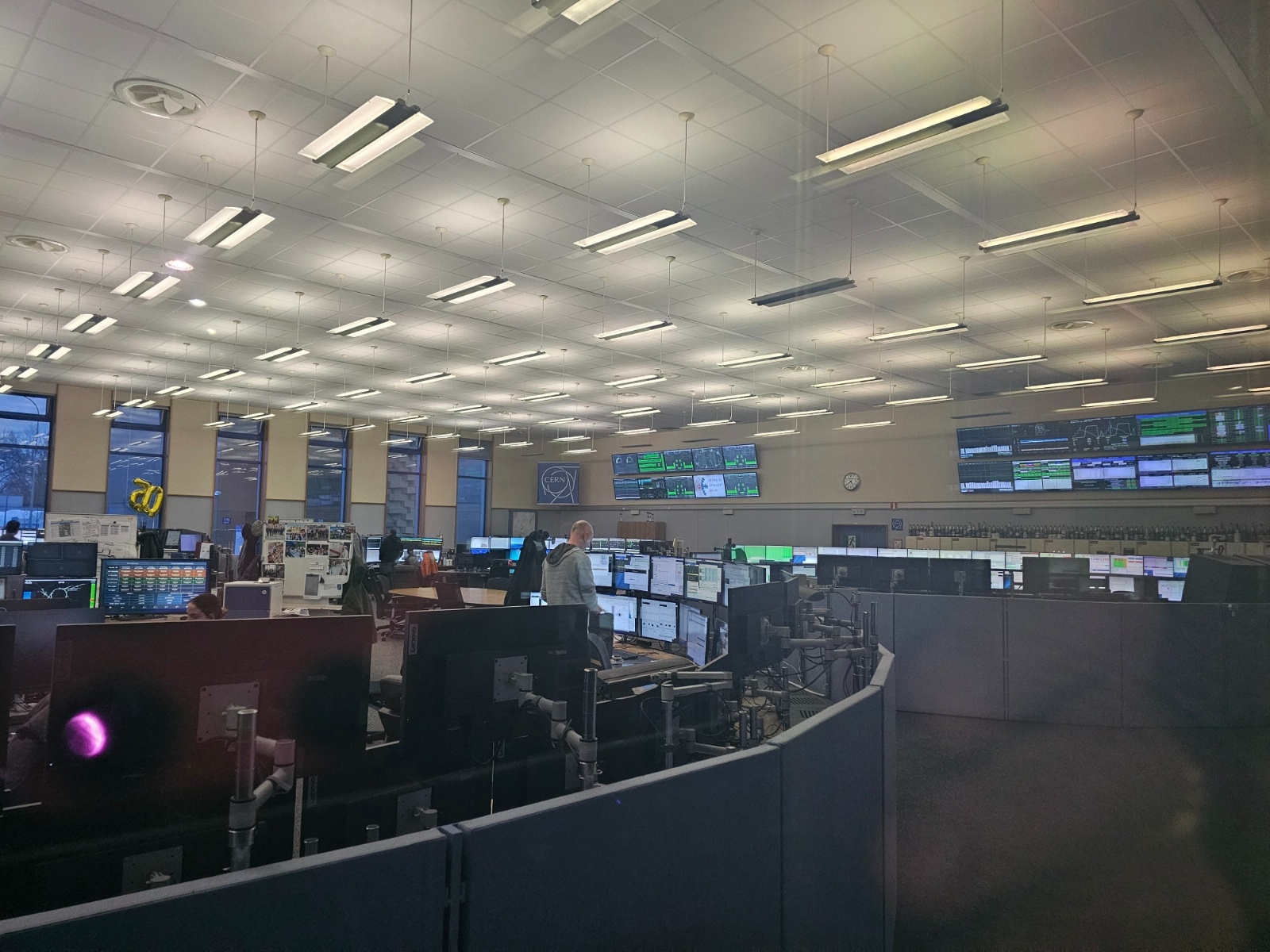
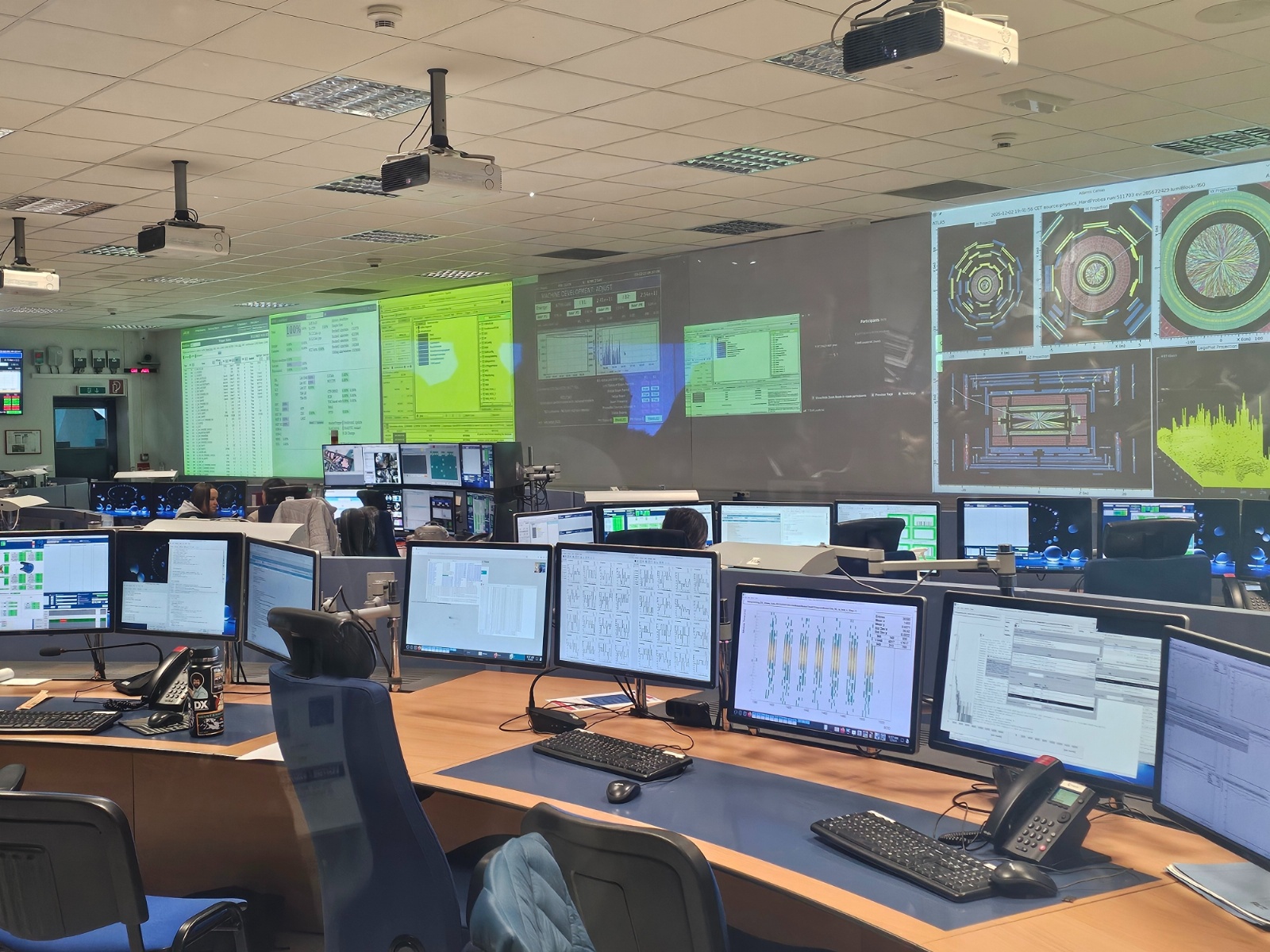
Later in the day, we visited the CERN Control Centre and the Magnet Test Facility Hall SM18, where the superconducting magnets used in CERN’s accelerators are assembled and tested. Seeing the scale of the engineering precision and international coordination required to operate these machines highlighted how closely physics, engineering, and technology are linked.
Day Three: Discovery, Medicine and Hands-On Physics
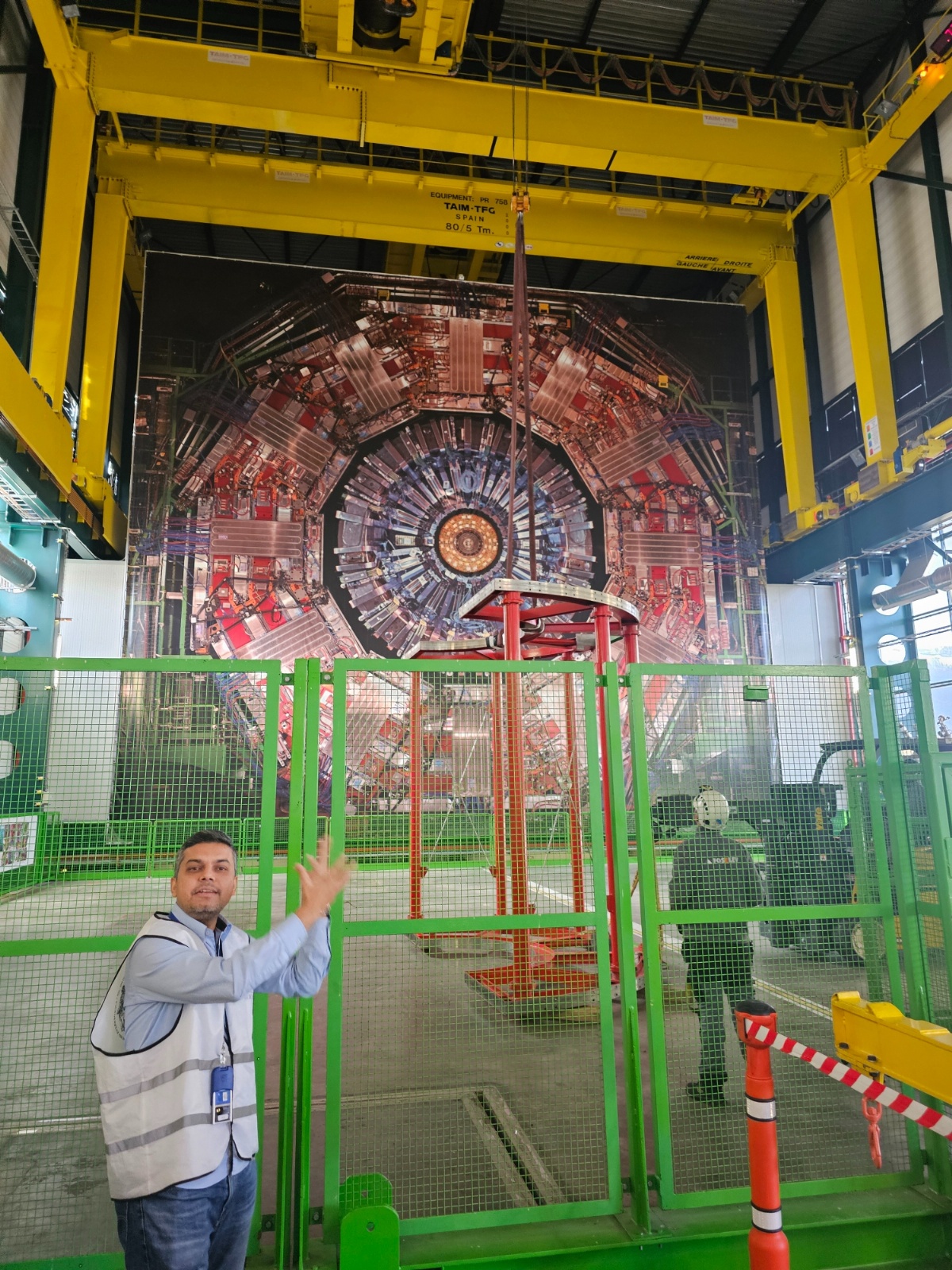
Day three focused on the connection between fundamental research and real-world application. We visited the CMS detector and attended a lecture by David Barney, who explained how the detector works and how it contributes to significant discoveries, including the Higgs boson.
This was followed by a lecture on medical applications of particle physics by Manjit Dosanjh, which demonstrated how CERN-developed technologies are used in cancer
diagnosis and treatment. A cloud chamber workshop later in the day allowed us to observe particle tracks directly, providing a tangible and engaging way to visualise particle physics. The day concluded with a group dinner in Geneva, offering time for reflection and discussion.
Day Four: Antimatter and Computing
The final day included a visit to CERN’s antimatter factory, where scientists investigate why the universe is made predominantly of matter rather than antimatter, one of the biggest unanswered questions in physics. We also explored CERN’s global computing infrastructure, learning how enormous volumes of experimental data are processed and shared worldwide. A final visit to the CMS experiment reinforced the importance of collaboration and teamwork in large-scale scientific research.
Ms Ponnuraj concluded, 'this visit to CERN demonstrated how ideas taught in school physics lessons connect directly to world-leading research, medical innovation and technological progress. By bridging the gap between classroom theory and real-world discovery, experiences like this play a vital role in inspiring students and enriching science education'.